.svg)
Anti-Inflammatory Foods That Support a Healthy Spine
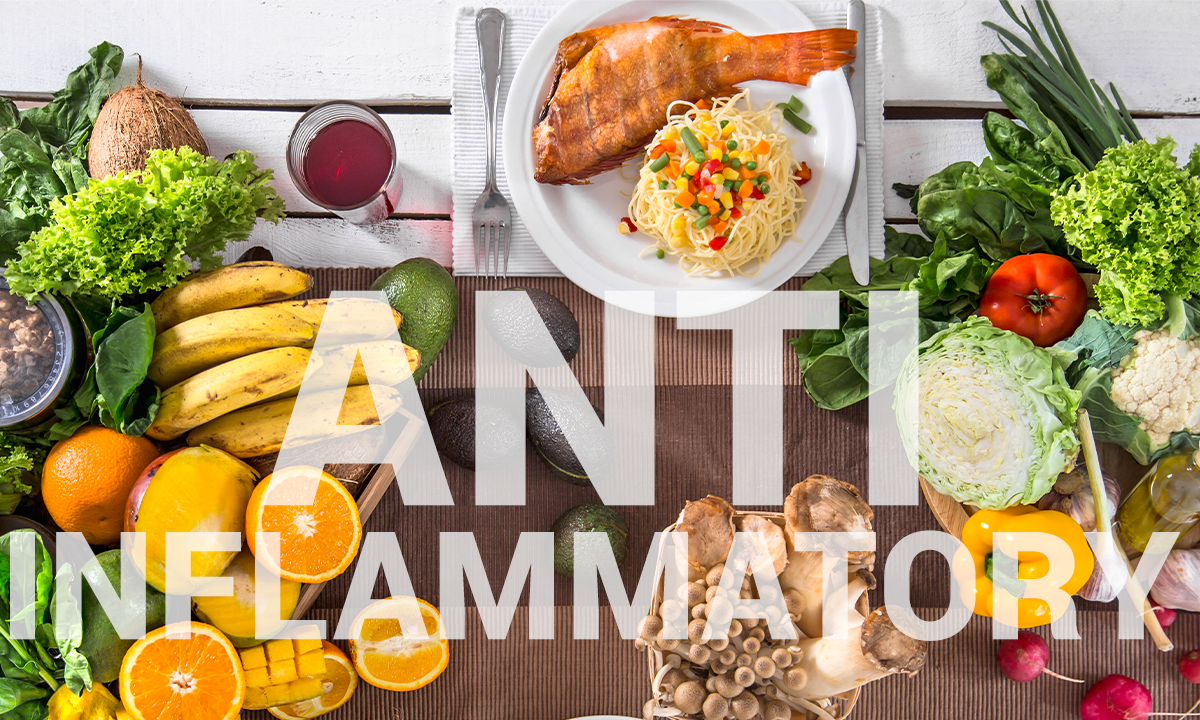
When most people think about spine health, they picture posture, stretching, or chiropractic adjustments. But one of the most overlooked, yet powerful, ways to care for your spine starts not in the gym or the clinic, but in the kitchen.
Your diet plays a direct role in managing inflammation, which affects not only how your spine feels day to day, but also how well it heals and functions over time. Incorporating anti-inflammatory foods can reduce pain, support tissue repair, and keep your joints and spinal discs strong and resilient.
Let’s explore the best foods for a healthy spine, and how they help you move and feel your best.
Inflammation is a natural part of the body’s healing process. However, chronic inflammation, often caused by stress, poor diet, or injury, can lead to joint stiffness, nerve irritation, and pain.
For the spine, ongoing inflammation can:
- Aggravate conditions like arthritis or degenerative disc disease
- Slow down recovery from spinal injuries
- Contribute to chronic back or neck pain.
The good news? Your diet can help calm that inflammation. By choosing foods rich in antioxidants, omega-3 fatty acids, vitamins, and minerals, you give your body the tools it needs to reduce inflammation naturally and maintain spinal integrity.
Top Anti-Inflammatory Foods for a Healthy Spine
🫐 1. Berries
Blueberries, raspberries, strawberries, and blackberries are loaded with antioxidants, particularly anthocyanins, which help neutralize free radicals and lower inflammation. A cup of mixed berries each day can protect connective tissues and support joint health.
🥬 2. Leafy Green Vegetables
Spinach, kale, collard greens, and Swiss chard are high in vitamins A, C, K, and calcium, nutrients that strengthen bones and combat inflammation. They also contain magnesium, a mineral vital for muscle relaxation and nerve function, helping to ease spinal tension.
🥑 3. Avocados
Avocados are rich in healthy fats, particularly monounsaturated fats, which help reduce inflammation. They also contain compounds like beta-sitosterol and carotenoids, which have been linked to decreased inflammatory markers in the body.
🐟 4. Fatty Fish
Salmon, sardines, mackerel, and trout are excellent sources of omega-3 fatty acids, which actively fight inflammation. These healthy fats can help reduce stiffness in joints and improve blood flow to spinal tissues, promoting healing and mobility.
🥜 5. Nuts and Seeds
Walnuts, almonds, chia seeds, and flaxseeds provide both omega-3s and antioxidants. A handful a day can reduce inflammation, improve circulation, and support disc hydration, all key to maintaining a flexible, strong spine.
🍵 6. Green Tea
Green tea contains EGCG (epigallocatechin gallate), a powerful anti-inflammatory compound shown to reduce cartilage damage and oxidative stress. Replace sugary drinks with a daily cup or two of green tea to support overall spinal wellness.
🌿 7. Turmeric
This golden spice contains curcumin, one of the most studied natural anti-inflammatories. Turmeric can help relieve stiffness, reduce joint pain, and protect spinal discs. Pair it with black pepper to boost absorption.
🧄 8. Garlic and Onions
These aromatic vegetables contain sulfur compounds that inhibit inflammatory pathways and enhance immune function. Regular consumption can also support tissue healing after spinal stress or injury.
🍒 9. Tart Cherries
Tart cherry juice and whole cherries have been shown to reduce muscle soreness and inflammation, making them a great choice for those with chronic back pain or post-exercise stiffness.
🥕 10. Colorful Vegetables
Brightly colored vegetables, such as bell peppers, carrots, and beets, are packed with phytonutrients that fight oxidative stress and inflammation. The more color on your plate, the more protection for your spine.
Foods to Limit or Avoid
Just as some foods fight inflammation, others fuel it. To support a healthy spine, try to limit:
- Processed sugars (sodas, sweets, pastries)
- Refined carbs (white bread, pasta)
- Trans fats (fried foods, packaged snacks)
- Processed meats (sausage, deli meats)
These items can trigger inflammatory pathways and increase pain, stiffness, and fatigue.
You don’t need a complete diet overhaul overnight. Start by adding one or two anti-inflammatory foods into your daily meals. A smoothie with spinach and blueberries, salmon for dinner, or a handful of walnuts as a snack can make a noticeable difference over time.
Pairing an anti-inflammatory diet with regular chiropractic care, exercise, hydration, and stress management creates a holistic approach to spinal wellness that supports your body from the inside out. Ask your chiropractor about nutrition strategies that complement your care plan and support long-term spinal wellness.