.svg)
Young or old: Improve your mobility with these three exercies
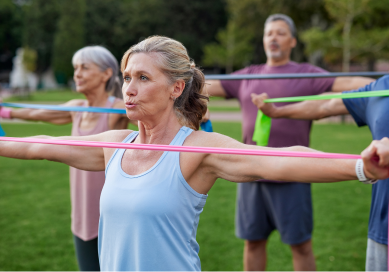
Mobility affects far more than workouts. It helps you reach a high shelf, turn to check traffic while driving, get down to play with a child, and rise comfortably from a chair. When joints and muscles move well, everyday tasks tend to require less effort. When movement feels stiff or limited, people often begin avoiding activities they enjoy.
Age can influence mobility, but it is not the only factor. Long periods of sitting, repetitive work positions, old injuries, stress, and a general lack of movement can all contribute to stiffness. The good news is that regular, gentle movement can help maintain or improve the way your body moves. You do not need an intense routine or expensive equipment to start.
These three exercises are practical choices for many adults because they target areas that commonly affect daily movement: the hips, upper back, and ankles. Move slowly, stay within a comfortable range, and focus on control rather than forcing a deeper stretch. If an exercise causes sharp pain, dizziness, numbness, or symptoms that do not settle quickly, stop and talk with an appropriate healthcare professional.
Open up the hips with a seated figure-four stretch
The hips do a great deal of work during walking, stair climbing, bending, and standing from a seated position. Yet many people spend hours with their hips bent at a desk, in a car, or on the couch. A seated figure-four stretch is a simple way to work on hip mobility without needing to get down on the floor.
Start by sitting upright in a sturdy chair with both feet flat on the ground. Place the outside of one ankle across the opposite thigh, just above the knee, creating a figure-four shape with your legs. Keep the foot flexed if that feels comfortable, then gently lean your upper body forward from the hips. You may feel a stretch through the buttock and outside of the hip of the crossed leg. Hold for a comfortable 20 to 30 seconds while breathing normally, then switch sides.
There is no prize for leaning far forward. Keeping the movement mild and steady is more useful than pushing into pain. If crossing one leg is uncomfortable, simply sit tall and practice lifting one knee a few inches at a time, alternating sides. That movement can still encourage the hips to move through a useful range.
Restore upper-back movement with chair rotations
Turning your head is only part of looking over your shoulder. Your upper back, also called the thoracic spine, should rotate as well. Limited upper-back movement can make tasks such as backing out of a parking space, swinging a golf club, reaching across a table, or carrying groceries feel more awkward.
Sit near the front of a chair with your feet planted firmly. Cross your arms over your chest or place your hands lightly on opposite shoulders. Keeping your hips facing forward, slowly rotate your rib cage and shoulders to one side. Pause briefly at the point where you feel a mild stretch, then return to center and repeat on the other side. Aim for smooth, easy rotations rather than trying to twist as far as possible.
Many people notice that one side feels easier than the other. That is common and does not necessarily mean anything is wrong. Consistent practice can help you become more aware of asymmetries in movement and gradually build comfort. Avoid holding your breath or shrugging your shoulders toward your ears as you turn.
Support walking and balance with ankle rocks
Healthy ankle movement matters every time you walk, climb stairs, squat to pick something up, or shift your weight to stay balanced. Stiff ankles can change the way the knees, hips, and feet handle movement. Ankle rocks are a gentle way to practice bringing the knee forward over the foot while keeping the heel grounded.
Stand facing a wall or counter and place both hands on it for support. Step one foot back and keep the other foot closer to the wall. With the front heel flat on the floor, slowly bend the front knee forward in the direction of your toes, then return to the starting position. The movement should feel controlled, with the knee tracking generally in line with the middle toes rather than collapsing inward. Repeat a few times, then switch sides.
Use the wall or counter as much as you need. The goal is not to challenge your balance; it is to let the ankle move comfortably. If you have recently injured your ankle, have significant swelling, or feel unstable while standing, seek guidance from a qualified clinician before adding new exercises.
Mobility improves most reliably when it becomes part of ordinary life. A few minutes after sitting for a long stretch, before a walk, or while waiting for the coffee to brew can be enough to build a useful habit. A chiropractor can also assess how joints, muscles, posture, and movement patterns may be affecting your daily comfort and function, particularly if stiffness keeps returning or limits activities you value. Small, regular efforts to move with more ease can help keep everyday life feeling more accessible at any age.