.svg)
The Link Between Good Posture and Long-Term Health
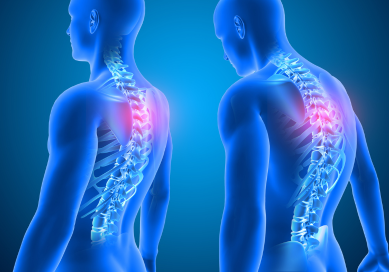
Posture is easy to notice and hard to think about until something starts to hurt. A stiff neck after a day at the computer, low back soreness after a long drive, or rounded shoulders after scrolling on a phone can make people suddenly aware of how they hold themselves. But posture is not simply about sitting ramrod straight or looking polished in a photo. It is about how the body is supported and how comfortably it can move through daily life.
Good posture can play a meaningful role in long-term health because it helps manage the physical demands placed on muscles, joints, and connective tissues. It is also only one part of the picture. Regular movement, strength, sleep, stress management, past injuries, work demands, and overall health all affect how a person feels. The goal is not a single “perfect” position. It is building the awareness and physical capacity to move, change positions, and stay active with less unnecessary strain.
Posture Is More Than Sitting Up Straight
Posture describes the alignment and positioning of the body while sitting, standing, walking, lifting, or resting. A neutral, comfortable alignment generally allows the head, spine, shoulders, hips, and limbs to share load efficiently. For example, when the head drifts far forward while using a phone or computer, the neck and upper-back muscles may have to work harder to support it. Over time, that sustained effort can contribute to fatigue, tightness, or discomfort in some people.
Still, no one maintains a neutral position all day, and trying to do so can create its own tension. Human bodies are designed to move. Even a well-arranged desk setup becomes uncomfortable if a person stays in one position for hours. In practical terms, the best posture is often the next posture: shifting in a chair, standing up, walking briefly, stretching gently, or changing tasks before stiffness builds.
This adaptability matters for long-term musculoskeletal health. The musculoskeletal system includes the bones, joints, muscles, ligaments, and other tissues that make movement possible. When daily routines repeatedly load the same area without enough movement or recovery, the body may become less tolerant of those demands. A workday spent hunched over a laptop, for instance, can leave little opportunity for the upper back, hips, and legs to move through their usual range of motion.
Posture may also affect everyday function in less obvious ways. Standing with a stable base and the body reasonably balanced over the feet can make walking, reaching, carrying groceries, and getting up from a chair feel more controlled. For older adults, strength, mobility, vision, medications, and home safety are all important factors in fall prevention, but comfortable alignment and regular movement can support balance as part of a broader approach.
Small Habits Make a Lasting Difference
Improving posture does not require rigid rules or expensive equipment. It often begins with adjusting the environment to fit the body. A screen positioned near eye level can reduce the tendency to bend the neck downward. A chair that supports the lower back and allows the feet to rest on the floor or a stable footrest may make sitting more comfortable. Keeping frequently used items within easy reach can limit repetitive twisting and awkward reaching.
Movement breaks are equally valuable. A few minutes of walking, standing, shoulder rolls, or gentle mobility work during a long period of sitting can interrupt sustained loading. People who spend much of the day on their feet may benefit from changing their stance, taking short sitting breaks when possible, and wearing supportive footwear appropriate for their activity. The right approach depends on the person and the demands of the day, but variety is usually more helpful than forcing one position for too long.
General strength and mobility also influence posture. Muscles in the trunk, hips, upper back, and legs help support common activities such as lifting, climbing stairs, and maintaining balance. Regular physical activity can improve confidence and capacity for movement, making it easier to use comfortable body positions without feeling as though one area is doing all the work. Starting gradually is often more sustainable than making a dramatic change after a period of inactivity.
Stress deserves attention as well. Many people unconsciously tighten their jaw, elevate their shoulders, or brace their muscles during demanding days. Those patterns are not a personal failure; they are common physical responses to stress. Pausing to breathe slowly, unclench the shoulders, or take a short walk may help reduce the sense of tension. If pain, weakness, numbness, dizziness, balance changes, or symptoms after an injury are persistent or severe, it is wise to seek an appropriate medical evaluation.
Chiropractic care can be one option for people who want help addressing musculoskeletal discomfort, movement habits, or functional goals. A chiropractor may assess how someone moves, discuss daily activities that may be contributing to strain, and provide care focused on joints, muscles, mobility, and self-management strategies. For many patients, the value is not limited to a sore back or neck; it can include learning practical ways to move, work, exercise, and recover with greater awareness. Care should be tailored to the individual, and a qualified clinician can help determine whether chiropractic care is appropriate or whether another type of evaluation is needed.
Good posture is best viewed as a flexible skill rather than a fixed pose. Paying attention to comfort, changing positions often, building strength, and responding early to recurring strain can support the body through work, family responsibilities, exercise, and the normal routines that add up over a lifetime. Small adjustments made consistently can help keep movement feeling more natural and sustainable.