.svg)
Liquid Sugar
The Diabetes Danger of Sugary Drinks
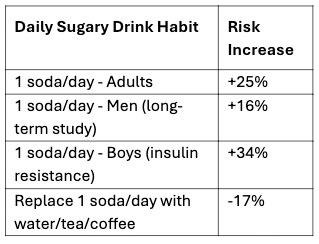
Drinking just one sugary beverage each day raises your risk of developing Type 2 diabetes by 25%—even if your weight is normal. This risk isn’t exclusive to adults. Childhood habits matter: Boys who consume a sugary drink every day see a 34% jump in insulin resistance by age 17, along with higher fasting glucose levels.
When Americans reach for sodas, sports drinks, or flavored waters, refined sugar is consumed in its most dangerous form. These liquids bypass your body's natural defenses: no chewing, no fiber, no feeling of fullness. Instead, your bloodstream is flooded with sugar, giving your pancreas and liver no choice but to respond in overdrive.
Metabolic disruption happens quietly at first. But over time, it rewires the way your body releases insulin, stores fat, and manages energy—no matter your size. Even lean individuals are at risk when their sugar comes from bottles or cans. The damage starts well before symptoms or weight gain appear.
Processed Fructose: Why It’s So Harmful
Glucose vs. Fructose
Every cell uses glucose, but fructose is processed only by the liver. Excess fructose—especially from high-fructose corn syrup (HFCS)—is converted to fat, fueling fatty liver disease and insulin resistance.
Whole Fruit Is Safe
Fructose from fruit is absorbed slowly, thanks to fiber and nutrients. This avoids spiking blood sugar and overloading the liver.
Liquid Sugar Is a Flood
Processed fructose in soda enters your system rapidly, overwhelming your liver in a single hit. This causes your liver to turn excess fructose into fat, which not only leads to fatty liver but increases inflammation and resistance to insulin.
Cellular Energy Damage
Too much fructose creates “reductive stress”—damaging cellular energy production (mitochondria) and leading to inflammation and fatigue.
Sugary Drinks vs. Whole Food Sugars
A meta-analysis of 29 cohort studies found:
♦️ Each daily serving of sugar-sweetened beverages raises Type 2 diabetes risk by 25%.
♦️ Sugar from whole foods, like fruit, does not increase risk. In fact, sugars found in solid foods are linked with lower odds of diabetes.
♦️ The difference: Liquid sugars are absorbed extremely fast, flooding the bloodstream and spiking insulin. Whole foods are digested slowly, producing satiety and safer blood sugar responses.
♦️ The strongest predictor of diabetes in all ages and across geographies was regular consumption of sugar-sweetened beverages.

Youth Risks: Early Markers in Boys
A long-term adolescent study found:
♦️ Boys consuming one daily sugary drink had a 34% increase in insulin resistance, a 5.6mg/dL rise in fasting glucose, and a 0.12% increase in HbA1c (average blood sugar marker).
♦️ These effects appeared by age 17—long before diabetes symptoms or diagnosis.
♦️ Prevention should start in childhood.
Men at Risk: Even Without Weight Gain
A study of more than 40,000 men over 20 years:
♦️ Men who drank soda daily had a 16% higher risk of diabetes, even after accounting for body weight and calorie intake.
♦️ Swapping just one soda a day for water, coffee, or tea cut diabetes risk by 17%.
Five Steps to Protect Your Metabolism
1️⃣ Cut Out Sugary Drinks: Replace sodas and sweetened beverages with water, unsweetened iced tea, or sparkling water.
2️⃣ Swap Soda for Coffee or Tea: Replacing even one soda a day with unsweetened coffee or tea yields a measurable reduction in diabetes risk.
3️⃣ Eat Your Fruit, Skip the Soda: Whole fruits offer fiber and nutrients, moderating sugar absorption and filling you up.
4️⃣ Stay Well Hydrated: Drink water throughout the day to curb cravings for sweet drinks.
5️⃣ Find Enjoyable Alternatives: Herbal teas, unsweetened iced teas, or flavored sparkling waters are sustainable options.
Frequently Asked Questions
Q: What’s the biggest risk of drinking sugary beverages daily?
Rapid sugar absorption overwhelms your liver and pancreas, wearing out insulin responses and raising diabetes risk—even if you’re not overweight.
Q: Is fructose from fruit as risky as fructose from soda?
No. Whole fruit fructose is packaged with fiber and antioxidants, resulting in slower absorption and healthier metabolism.
Q: Do sugary drinks affect kids?
Absolutely. Daily sugary drinks raise insulin resistance in children—often before symptoms appear.
Q: Can changing drink habits really lower diabetes risk?
Yes! Replacing a daily sugary beverage with water or unsweetened drinks cuts risk by 17%.
Q: How do I protect my family?
Eliminate soda and sweetened drinks, encourage whole fruits, and explore healthier drink options you enjoy every day.
How Diabetes Silently Damages Your Eyes — and What You Can Do About It
Leading Cause of Vision Loss:
Diabetic retinopathy is the top cause of blindness among working-age adults.
Often Hidden, Always Progressive:
Damage starts long before symptoms like blurriness or floaters appear.
Beyond Blood Sugar:
High blood pressure, cholesterol, and smoking multiply risks.
Mitochondrial Health Matters:
Nutrition, toxin exposure, and insulin resistance influence whether complications develop.
Annual Eye Exams Save Vision:
A dilated eye exam can catch early changes, even before you notice symptoms.
What Is Diabetic Retinopathy?
Diabetic retinopathy is a complication of diabetes that harms the retina, the light-sensitive layer at the back of your eye.
- It starts with damaged small blood vessels.
- These vessels either leak fluid or become blocked.
- In response, your eyes grow fragile new blood vessels — but these are weak, abnormal, and prone to bleeding and scarring.
- If untreated, retinal detachment and permanent blindness may follow.
Why You May Not Notice Early Damage
- No pain, no warning: Early changes are silent.
- Subtle vision changes like blurry text or floaters may come and go — easy to dismiss.
- Detection gap: By the time your vision worsens, the damage may already be advanced.
🔎 Prevention Tip: Schedule annual dilated eye exams if you have diabetes, prediabetes, or gestational diabetes — even if your vision seems fine.
Other Eye Conditions Linked to Diabetes
When blood vessel damage spreads, it raises risk for:
- Diabetic Macular Edema: Fluid buildup in central retina → blurred vision.
- Neovascular Glaucoma: Abnormal vessels block fluid drainage → eye pressure spikes.
- Retinal Detachment: Scar tissue pulls retina loose → medical emergency.
The Hidden Risk Factors Beyond Blood Sugar
According to the NIDDK, focusing only on glucose is not enough. Risk rises when multiple factors collide:
Blood Pressure & Cholesterol:
Uncontrolled levels accelerate vessel damage.
Smoking:
Reduces oxygen and inflames vessels, multiplying damage.
Ethnicity & Age:
Higher risk in African American, Hispanic, Native American, Pacific Islander groups, and adults 65+.
Pregnancy + Diabetes:
Hormonal shifts can worsen eye damage rapidly.
Medical Options (for advanced retinopathy):
• Injections (anti-VEGF drugs)
• Laser photocoagulation (shrinks abnormal vessels)
• Vitrectomy (surgery to remove scar tissue/bleeding)
Prevention > Cure: The earlier you intervene, the less likely you’ll ever need these.
Lifestyle Steps to Protect Your Vision
Eye experts now emphasize metabolic root-cause fixes over symptom management.
♦️ Nourish Your Mitochondria
- Avoid vegetable oils (high in linoleic acid) → switch to tallow, ghee, or butter.
- Cut processed foods and hidden oils in snacks/sauces.
♦️ Choose the Right Carbs
- Prioritize easy-to-digest carbs: white rice, fruit, root vegetables.
- Gradually add legumes/whole grains if tolerated.
♦️ Heal Your Gut Before Adding Fiber
- If you have bloating or digestive issues → minimize fiber initially, reintroduce slowly after healing.
♦️ Reduce Daily Toxin Load
- Store food in glass/steel, not plastic.
- Reduce EMF exposure (don’t keep phones by your bed).
HOMA-IR: The Early Warning Test for Insulin Resistance
What is HOMA-IR?
HOMA-IR stands for Homeostatic Model Assessment of Insulin Resistance. It is a calculated index that estimates how resistant your body’s cells are to insulin. Insulin resistance means your cells don’t respond as well to insulin, leading to higher blood sugar. HOMA-IR is used in studies and clinical settings to screen for insulin resistance, which can suggest risk for conditions like type 2 diabetes, obesity, and metabolic syndrome.
How Is HOMA-IR Calculated?
HOMA-IR uses two blood test results:
- Fasting insulin (μIU/ml)
- Fasting glucose (mg/dl)
The formula is:
HOMA-IR=405Fasting Insulin (μIU/ml)×Fasting Glucose (mg/dl)
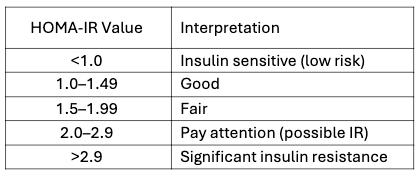
Application of HOMA-IR
• Early screening for insulin resistance before diabetes symptoms appear.
• Tracking metabolic health in people at risk for diabetes, obesity, and metabolic syndrome.
• Monitoring treatment responses in patients with lifestyle modifications (diet, exercise) or medication intervention.
• Epidemiological research to study how insulin resistance varies in different populations.
Frequently Asked Questions
Who should get their HOMA-IR checked?
People with risk factors for diabetes, obesity, or metabolic syndrome, or those with a strong family history, might benefit from HOMA-IR testing. Your doctor can advise if it is right for you.
Is a high HOMA-IR always bad?
A higher HOMA-IR suggests more insulin resistance, which can increase risk for chronic diseases. Interpreting your result should always be done with a healthcare professional, as what is “high” can vary by age, sex, and underlying health.
How can I lower my HOMA-IR level?
Lifestyle changes including healthier eating (such as Mediterranean or lower-calorie diets), regular physical activity (a mix of cardio and strength training), and weight management often improve insulin sensitivity and lower HOMA-IR.
Can HOMA-IR diagnose diabetes?
No, HOMA-IR is not a diagnostic tool for diabetes. It is used to assess risk for insulin resistance, which is a precursor to conditions like type 2 diabetes. Other tests (like HbA1c or oral glucose tolerance test) are used for diagnosis.
Are there limitations to HOMA-IR?
Yes. It is just one part of the picture. HOMA-IR is affected by sex, age, ethnicity, and several health conditions, so results must be interpreted in the larger context of your health and lab values.
Key Takeaways
✅ Diabetic retinopathy is avoidable when caught early.
✅ One exam a year can mean the difference between clear sight and blindness.
✅ Protecting your cells and mitochondria matters as much as lowering blood sugar.
✅ Simple blood test (HOMA-IR) exposes insulin resistance years before complications arise.
Bottom line: Don’t wait for symptoms. Prevention starts before your eyes betray you.