.svg)
Simple Stretches to Ease Neck and Lower Back Tension
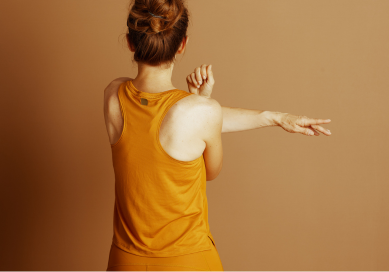
Neck and lower back tension often builds gradually. A long commute, hours at a computer, lifting groceries, looking down at a phone, or sleeping in an unfamiliar position can leave muscles feeling tight and movement feeling restricted. The discomfort may be mild, but it can still make turning your head, standing up from a chair, or settling into bed less comfortable.
Gentle stretching can be a useful part of everyday self-care. It does not need to be complicated, intense, or time-consuming. A few calm minutes of movement may help reduce the feeling of stiffness, improve awareness of how your body is moving, and make it easier to return to ordinary activities. The goal is not to force a stretch or “fix” your posture in one session. It is to move with control and give tense areas a chance to relax.
Start gently and pay attention to your body
Before stretching, take a moment to slow down. Try a few easy breaths, allowing your shoulders to drop away from your ears. Stretching should create a mild pulling sensation, not sharp pain, numbness, tingling, or a feeling that something is being strained. Move slowly into each position and avoid bouncing. Holding a comfortable stretch for roughly 15 to 30 seconds while breathing normally is often enough for many people.
For neck tension, begin with a simple side bend. Sit or stand tall without stiffening your body. Gently tilt your right ear toward your right shoulder, keeping both shoulders relaxed. You may feel a stretch along the left side of the neck. Hold briefly, return to center, and repeat on the other side. If it feels comfortable, you can place your hand lightly on the side of your head for guidance, but do not pull your head down.
Another helpful movement is a slow neck rotation. Turn your head to look over one shoulder only as far as feels easy, then return to center and turn to the other side. This is less about achieving a large range of motion and more about reminding the neck that it can move safely. Pairing the motion with a slow exhale can help prevent the common habit of tightening the jaw and shoulders.
Upper-back tightness can contribute to a tense neck, particularly after desk work. Try a shoulder-blade squeeze by sitting or standing upright and gently drawing your shoulder blades back and down, as though you are making space across the front of your chest. Hold for a few seconds, then release. Keep the movement small; lifting the shoulders toward the ears defeats the purpose. A few relaxed repetitions can be a welcome break after looking at a screen.
Give the lower back support from the hips and legs
The lower back works closely with the hips, abdomen, and legs. For that reason, a routine that focuses only on the painful or tight area may not feel as helpful as one that includes nearby muscles. A gentle knee-to-chest stretch is a simple place to start. Lie on your back with both knees bent and feet on the floor. Slowly bring one knee toward your chest, holding behind the thigh or over the shin if that is comfortable. Keep the other foot down, then switch sides. If bringing one knee up feels good, you may try bringing both knees in gently, without forcing the movement.
A pelvic tilt can also provide a comfortable way to move the lower back. While lying on your back with knees bent, gently tighten your abdominal muscles and flatten the small arch of your back slightly toward the floor. Then relax and allow your back to return to its natural position. This small rocking motion is not meant to be dramatic. It can help you practice controlled movement through the pelvis and lower back, especially after sitting for a long time.
Hip flexors, the muscles at the front of the hips, may feel tight after prolonged sitting. To stretch them, take a small step into a split stance and bend the front knee slightly while keeping your torso upright. Gently shift your weight forward until you feel a stretch at the front of the hip on the back-leg side. Avoid leaning far forward or arching the low back. A modest shift is usually enough.
Hamstring stretches can be useful for some people, but they should be approached carefully. Rather than reaching aggressively toward your toes, try placing one heel on a low step or sturdy surface, keeping a soft bend in the knee, and hinging forward slightly from the hips. If you feel pulling in the back of the leg, pause there. Stretching should not send pain down the leg or increase back symptoms.
Make movement a regular reset
A single stretch session may feel good, but everyday habits often matter more than doing one long routine. Brief movement breaks can interrupt the stiffness that comes from staying in one position too long. Standing up between tasks, changing positions during a drive, taking a short walk, or gently rolling the shoulders can all support more comfortable movement. Adjusting a screen so it is closer to eye level and keeping frequently used items within easy reach may also reduce unnecessary strain.
Stretching is not appropriate for every type of pain. Stop and seek prompt medical attention for symptoms such as severe pain after an accident, new weakness, numbness that persists or worsens, loss of bowel or bladder control, fever, or unexplained weight loss. For ongoing discomfort, pain that interferes with daily life, or symptoms that keep returning, a healthcare professional can help identify appropriate next steps. A chiropractor may assess movement, posture, joint function, and muscle tension as part of a broader musculoskeletal care plan, while also discussing practical activity and self-care strategies.
The most useful stretching routine is usually the one that feels comfortable enough to repeat. Start small, move slowly, and notice which positions leave you feeling looser rather than aggravated. Over time, those short moments of attention can become a practical way to care for your neck, back, and overall ability to move through the day.